More Fibre, Without Eating Salad at Every Meal
2 min read
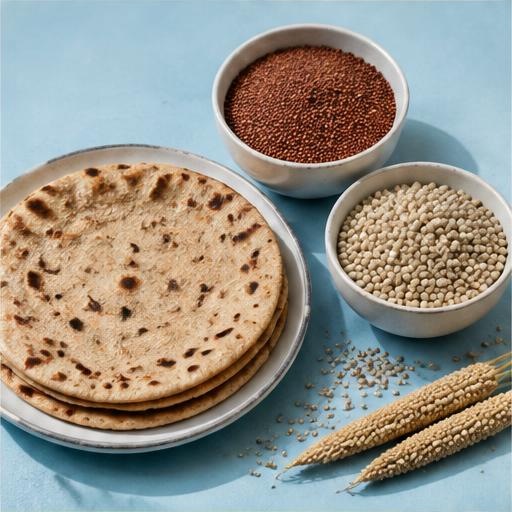
Fibre has many food sources
Dietary fibre is found in plant foods, and different types have different properties. You do not need a giant raw salad to include it. Cooked vegetables, pulses, whole fruit and whole grains can all contribute. Start with foods you already enjoy so the change is easy to repeat.
Upgrade one familiar meal
Add vegetables to poha, include a dal or bean dish at lunch, or swap some refined grain servings for wholegrain choices. Ragi, jowar, bajra and oats offer different tastes and textures. No single grain is essential. Choose what is locally available and fits your cooking routine.
Choose fruit more often than juice
Whole fruit keeps fibre that is often reduced when fruit is juiced. Seasonal guava, oranges, apples and other fruits can work as snacks. You do not have to avoid all juice, but it is not interchangeable with a whole fruit. Wash produce and use safe food preparation practices.
Increase gradually
Adding many high-fibre foods at once can cause gas or discomfort. Make one change at a time and drink fluids regularly. If a food bothers you, portion size and preparation may matter. People with digestive conditions sometimes need a tailored approach rather than a general recommendation to eat more fibre.
Watch the overall pattern
A spoon of seeds cannot compensate for an otherwise very limited diet. Variety over days and weeks is more useful than focusing on a single ingredient. If constipation, pain or a change in bowel habits persists, seek medical advice. Food habits can help support wellbeing, but symptoms should not be self-diagnosed.
For general information only, not personalised medical advice. Consult a qualified clinician or dietitian for your individual needs.
Make healthy habits tastier
Shop Chewly gummies