How to Build a Balanced Indian Thali
2 min read
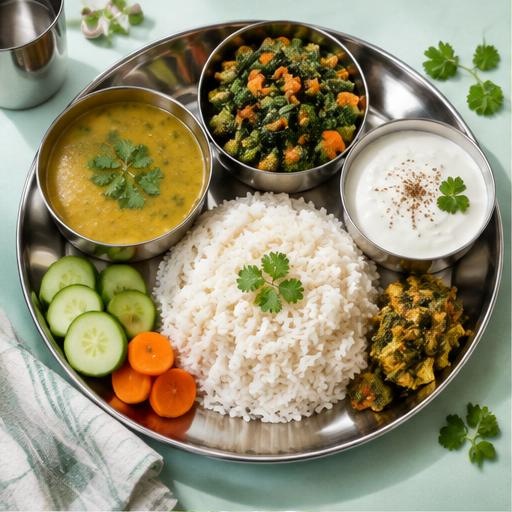
Start with the meal you already eat
A balanced meal does not need to look like a photograph in a diet book. Rice and dal, roti and sabzi, or a regional millet meal can all be useful starting points. Look at what is missing rather than replacing every familiar food. If lunch is mostly rice, adding a pulse dish and vegetables is often more practical than searching for a fashionable alternative.
Give vegetables a regular place
Include different vegetables across the week: leafy greens, gourds, carrots, beans or cabbage. A cooked sabzi counts; you do not have to rely on raw salads. Choose preparation methods that suit your taste and budget. Frozen vegetables can also be convenient. Variety matters more than making every meal perfect.
Make the protein visible
Dal, rajma, chana, soy, paneer, curd, eggs, fish or meat can provide protein. Pick options that fit your diet rather than assuming a vegetarian plate cannot be balanced. A little dal used as a sauce is different from a substantial serving, so consider the actual portion you eat.
Keep grains and enjoyment
Rice, roti and other grains provide energy. Wholegrain choices can add fibre, but there is no need to ban white rice. Pair it with other foods instead. A little oil or ghee can be part of cooking; quantity and the overall pattern matter. Enjoying meals helps make the routine sustainable.
Try a simple weekly adjustment
For example, keep your usual rice, add dal and a seasonal sabzi, and include curd if you enjoy it. On another day try roti with chana and vegetables. Individual needs vary with activity, appetite and health conditions. A dietitian can help tailor portions if you need specific advice.
For general information only, not personalised medical advice. Consult a qualified clinician or dietitian for your individual needs.
Make healthy habits tastier
Shop Chewly gummies